


Microsoft's mandate for 8th Gen Intel CPUs and newer in Windows 11 is primarily driven by the goal of establishing a universal baseline for security, performance, and stability. This requirement has significant implications for industrial computing devices, including Industrial Touch PCs, Touch Panel PCs, and Industrial PCs.
Here are the key reasons, explained in the context of these specialized devices:
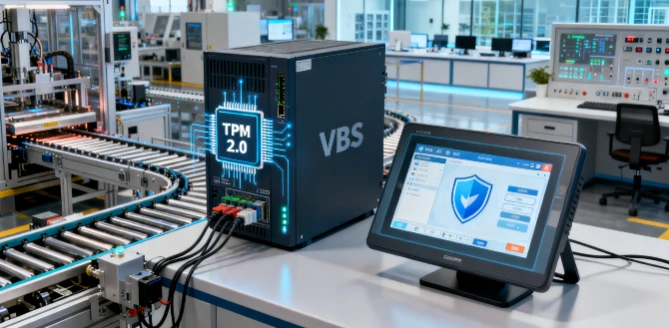
Hardware-based Security for Critical Environments:
Industrial environments are increasingly targeted by cyberattacks. Features like TPM 2.0 and Virtualization-based Security (VBS), which are effectively supported on 8th Gen and newer CPUs, create a "hardware root of trust." For an Industrial PC controlling a production line or a Touch Panel PC managing building automation, this means robust protection for credentials and processes against sophisticated malware and firmware-level attacks.
Driver Stability and System Reliability:
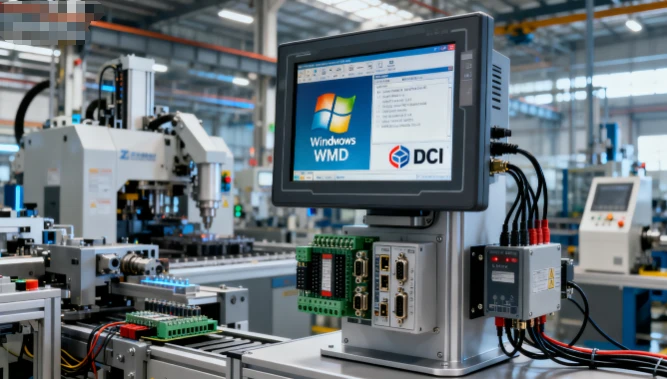
In an industrial setting, system crashes are not just inconvenient; they are costly. By requiring modern CPUs, Microsoft ensures that all drivers conform to the latest Windows Driver Model (WDM) and Driver Code Integrity (DCI) standards. This is crucial for an Industrial Touch PC that interfaces with specialized machinery using unique I/O ports and controllers, as it guarantees a higher level of driver stability and prevents system instability caused by outdated or unsigned drivers.
Modern Performance and Efficiency:
8th Gen CPUs brought significant improvements in instructions per cycle (IPC) and integrated graphics. This translates to:
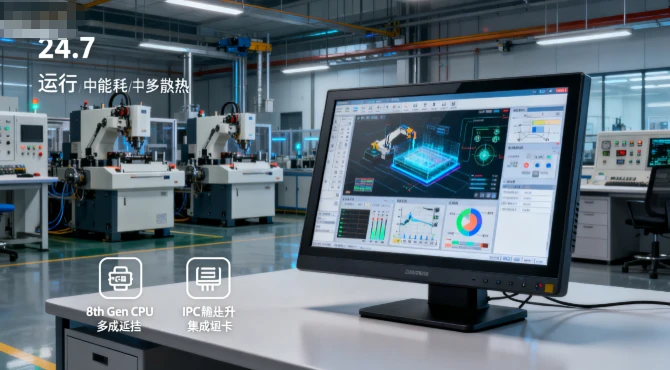
Smoother Touch Experience: A Touch Panel PC running complex HMI (Human-Machine Interface) software requires responsive graphics and low latency. The modern integrated GPU in these CPUs ensures smooth rendering and reliable multi-touch functionality.
Efficient Operation: Industrial devices often run 24/7. Newer CPUs offer better performance-per-watt, reducing heat generation and energy consumption for Industrial PCs deployed in enclosed spaces or remote locations.
Important Consideration for the Industrial Sector:
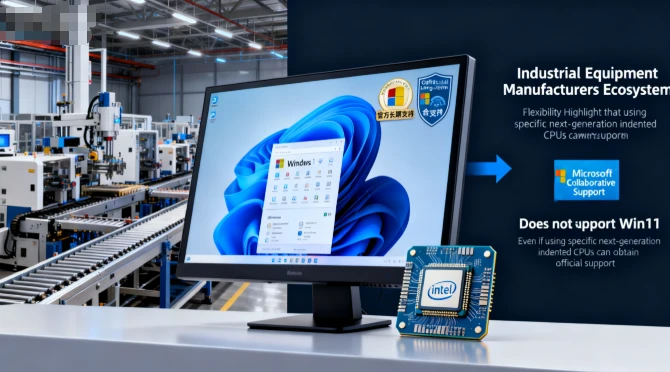
While this is Microsoft's standard for consumer devices, the ecosystem for Industrial Touch PCs and Industrial PCs is more flexible. Many manufacturers of these specialized devices have long-term support agreements with Microsoft and Intel. Therefore, it is common to find newer Industrial Panel PCs with officially supported Windows 11, even if they use a specific later-generation embedded CPU, while a consumer laptop from the same era might be excluded.
In summary:
The CPU requirement ensures that every device running Windows 11, from a home laptop to a factory floor Industrial Touch PC, meets a modern threshold for security and reliability. For the industrial sector, this enhances the protection and performance of critical systems, though specialized hardware partners often provide validated solutions that extend beyond the consumer-grade list.