


The Industrial Panel PC/Display Installation Methods
1. Flush/Panel Mount
Applications: Control cabinets, equipment operation panels, cleanrooms (e.g., pharmaceutical/food production lines).
Features:
- Display is recessed into a panel cutout, exposing only the screen for optimal protection (dust/water/impact resistance).
- Requires precise cutout dimensions (NEMA/IP compliant).
- Advantages: Sleek appearance, space-saving, industrial aesthetics.
- Note: Allow for heat dissipation; ensure smooth cutout edges to avoid screen damage.

2. Wall Mount
Applications: Control rooms, production line displays, warehouse terminals.
Features:
- Secured to walls/columns via VESA-standard brackets (75×75mm/100×100mm).
- Advantages: Adjustable tilt (pitch), saves floor space.
- Tilted wall mount: Screen angled forward for overhead viewing.
- Removable mount: Facilitates maintenance/replacement.
3. Desktop/Stand Mount
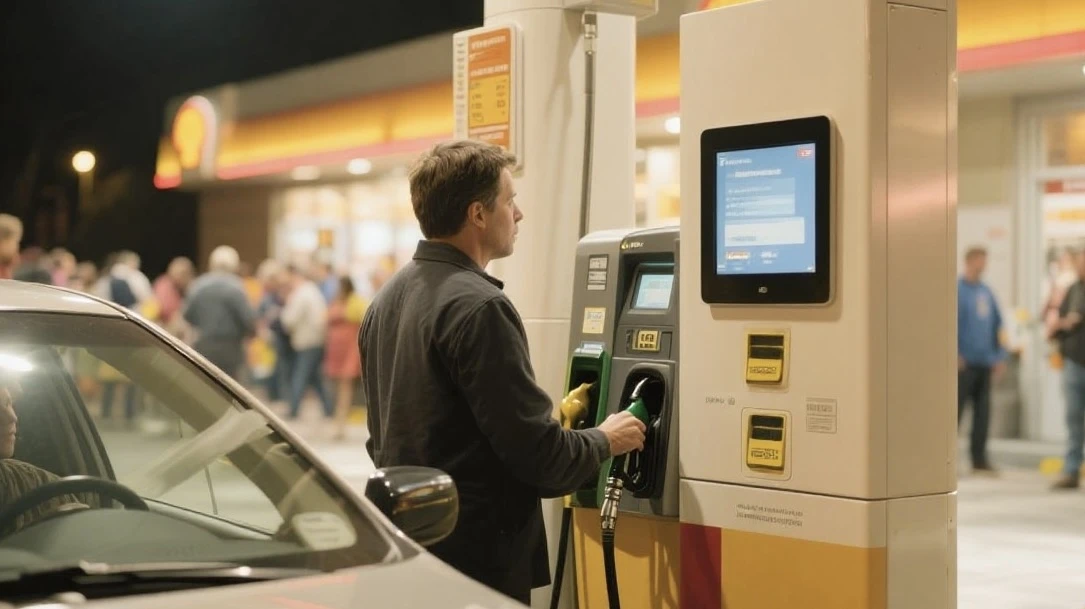
Applications: Workstations, labs, temporary control points.
Features:
- Base placed directly on desks/floors-no drilling required.
- Advantages: Flexible placement, easy mobility (some feature wheels).
- Note: Ensure base stability to prevent tipping (weighted bases recommended for industrial settings).
4. Arm Mount
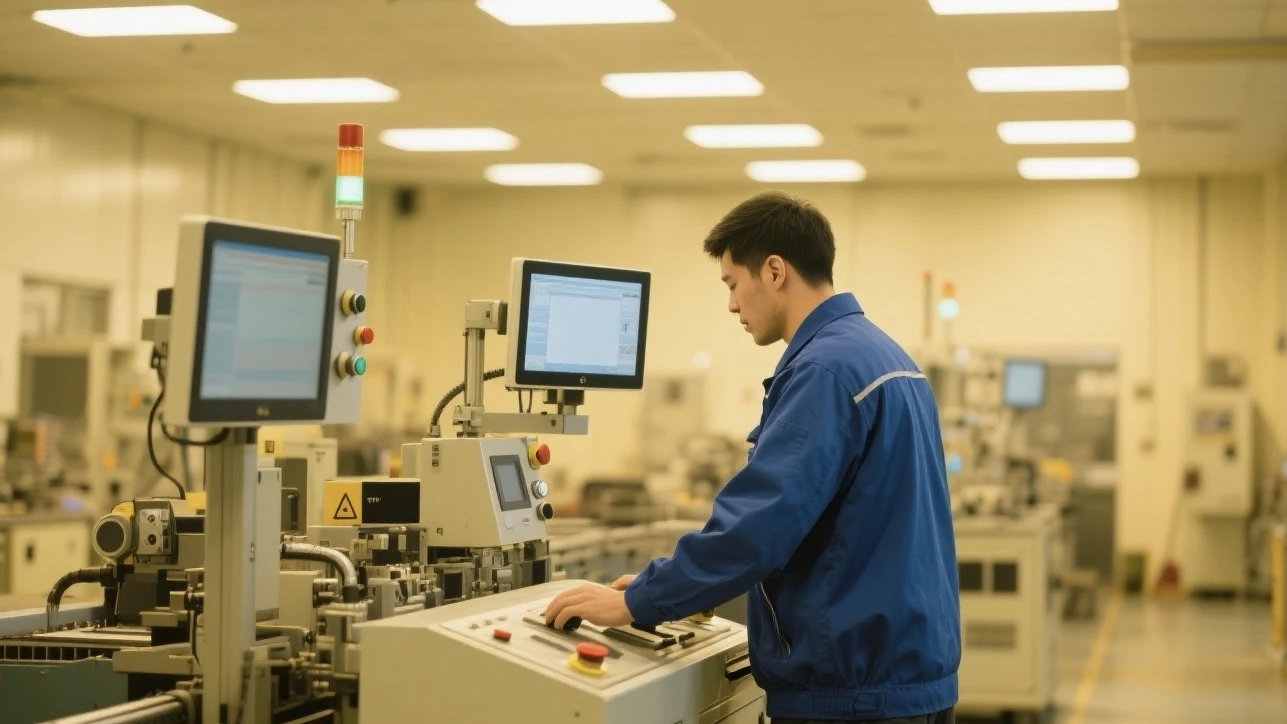
Applications: Flexible multi-station workflows (e.g., inspection, medical devices), space-constrained areas.
Features:
- Display attached to an adjustable mechanical arm for multi-axis movement (rotation, height, tilt).
- Advantages: Expansive viewing range, ergonomic adaptability.
- Industrial design: Heavy-duty arms support >30kg loads with vibration resistance.
5. Rack Mount
Applications: Data centers, server cabinets, integrated control panels.
Features:
- Display fixed in standard 19-inch racks (depth must match).
- Advantages: Centralized management, optimized space.
- Note: Requires dedicated rack kits; ensure ventilation (fanless models preferred).
6. Vehicle/Rail Mount
Applications: Forklifts, AGVs, rail transport, engineering vehicles.
Features:
- Equipped with shock-absorbing brackets (spring/hydraulic) to withstand vibrations.
- Anti-detachment design: Locking bolts + safety cables (EN 50155 compliant).
- Customization: Wide-temperature tolerance (-30℃~70℃), EMI resistance (EMC-certified).
7. Ceiling Mount
Applications: Factory monitoring, operating rooms, warehouse sorting zones.
Features:
- Display suspended from ceilings for top-down viewing.
- Advantages: Avoids floor obstructions, ideal for large-area visibility (e.g., production line dashboards).
Key Selection Factors
1. Environmental adaptability:
- High vibration → Shock-absorbing mounts (vehicle/arm).
- Dust/moisture → Flush mount (IP65+).
2. Ergonomics:
- Frequent operation → Arm/desktop mount (height-adjustable).
3. Space constraints:
- Limited space → Flush/wall mount.
4. Maintenance access:
- Quick removal → Modular brackets (e.g., tool-free VESA mounts).
Installation Notes
- Cable management: Use industrial connectors (e.g., M12 waterproof), add protective sleeves.
- Thermal design: Avoid blocking vents (critical for flush mounts).
- Vibration testing: Mandatory MIL-STD-810G certification for vehicle/marine use.
- Compliance: Industry-specific standards (e.g., EN 50155 for rail, UL/CE for electrical safety).
Industry Application Examples
| Industry | Recommended Mount | Rationale |
| Factory Automation | Flush + Arm | Dust/liquid protection, multi-station flexibility |
| Logistics | Vehicle + Wall | Vibration resistance, high-position visibility |
| Medical | Arm (sterile-environment) | 360° adjustability for surgical use |
| Power Monitoring | Rack | Centralized rack management |
| Outdoor Displays | Heavy-duty wall (w/ sun hood) | Weather/impact resistance |
Rational mount selection is critical for industrial display stability-always prioritize environmental, functional, and safety requirements.