


The difference between HMIs & IPCs
In the field of industrial automation, HMIs (Human Machine Interfaces) and industrial PCs are two common devices. Their functions and application scenarios differ, but many may wonder: Can an HMI be used as an industrial PC? To answer this question, we first need to understand the difference between the two and then consider the actual needs.
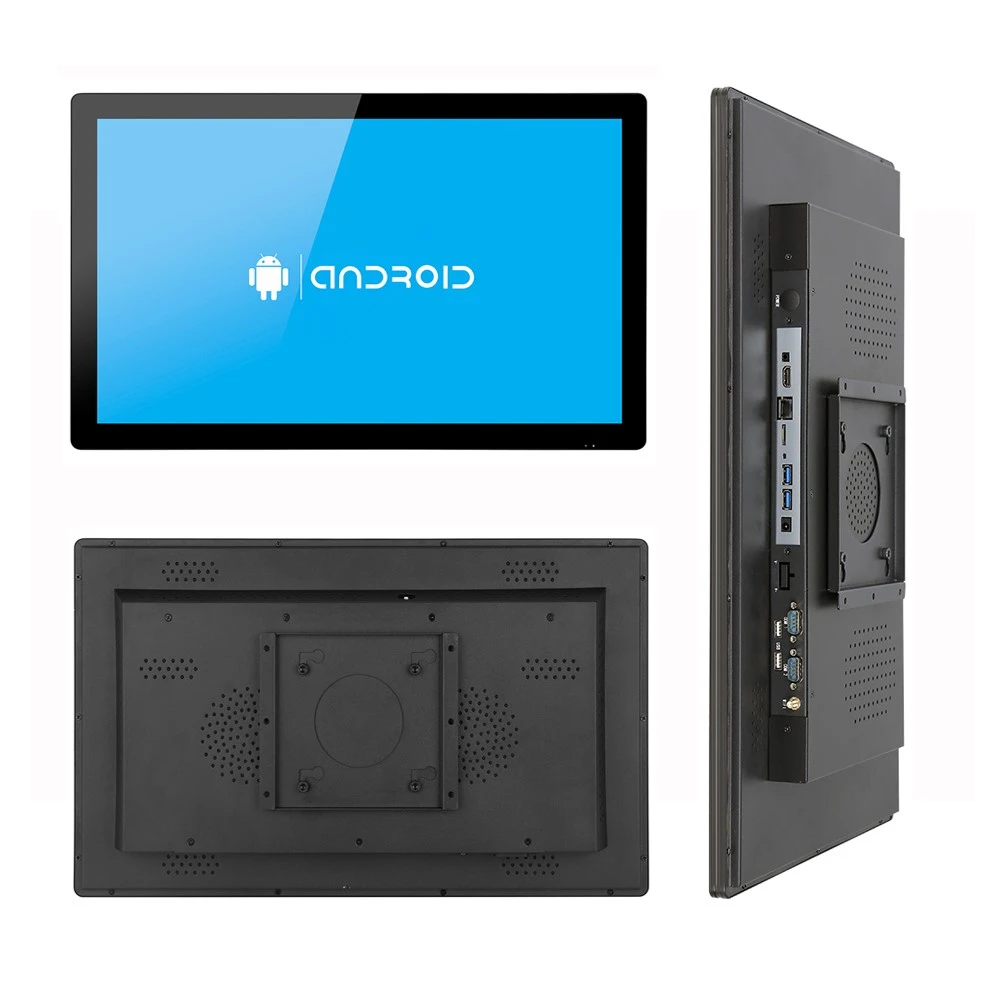
The Difference Between an HMI and an Industrial PC
The primary function of an HMI (Human Machine Interface) is to facilitate interaction between humans and machines. It typically features a touchscreen interface with a simple and intuitive design, allowing operators to monitor device status, adjust parameters, and view alarm information. The core characteristics of an HMI are real-time performance and stability. It must quickly respond to user actions and display device status, but the hardware requirements are relatively low.
An industrial PC is a highly integrated industrial computer that integrates a display, host computer, and touchscreen. It is primarily used for tasks such as data acquisition, equipment control, and monitoring. Industrial PCs have advanced hardware configurations, capable of running complex industrial software and multitasking. They also have strong environmental adaptability and can operate stably in harsh conditions such as high and low temperatures, humidity, and dust.
Can an HMI be used as an industrial PC? In terms of functionality, HMIs and IPCs have some overlap, for example, both can be used for equipment monitoring and operation. However, in practice, HMIs generally cannot completely replace IPCs for the following reasons:
Hardware Configuration Differences: HMIs have lower hardware requirements and are typically limited to running simple control programs and interface display tasks. If complex computing tasks or multiple industrial software applications are required, HMI performance may not meet the requirements.
Functional Limitations: HMIs are primarily used for human-computer interaction and have relatively limited functionality. IPCs, on the other hand, offer more comprehensive functionality, encompassing not only human-computer interaction but also data collection, equipment control, and network communication.
Lack of Scalability: IPCs typically have more interfaces and expansion slots, allowing for connection to a variety of external devices or expanded functionality. HMIs have limited scalability, making them difficult to meet complex industrial needs.
Of course, in some simple applications, HMIs can also assume some of the functions of IPCs. For example, if monitoring equipment status or performing simple parameter adjustments is all that's needed, an HMI is perfectly adequate. However, if complex control tasks or multiple software applications are required, an IPC remains a better choice.
Front view of the G1N embedded industrial all-in-one computer.
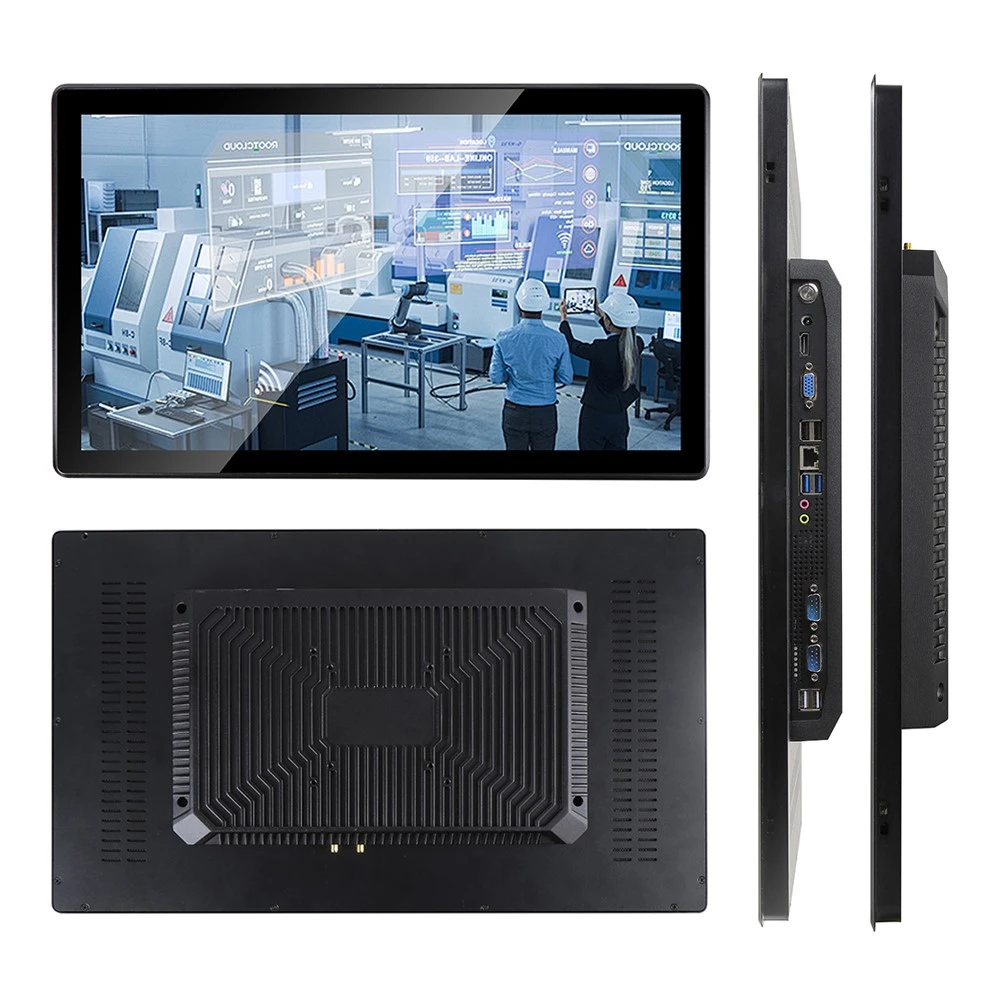
How to choose the right device?
When choosing between an HMI or an industrial computer, you need to consider your actual needs, application scenario, and budget. Here are some specific suggestions:
Define your needs: First, clarify the purpose of the device. If you only need a simple user interface to monitor device status, an HMI will suffice. If you need to handle complex control tasks or run multiple software programs, an industrial computer is more suitable.
Consider the environment: If the device needs to operate in a harsh environment, such as a high-temperature, high-humidity, or dusty workshop, the durability and protection level of an industrial computer will better meet your needs. While an HMI offers some protection, it may not be as stable as an industrial computer in extreme environments.
Evaluate performance: If you require high-performance computing or multi-tasking, the hardware configuration of an industrial computer will better meet your needs. HMIs have relatively low performance and are suitable for lightweight applications.
Budget constraints: Industrial computers are generally more expensive, while HMIs are relatively affordable. If your budget is limited and your needs are simple, an HMI is a cost-effective option. Scalability Requirements: If future functionality expansion or system upgrades are needed, industrial PCs offer greater scalability. HMIs have limited scalability and are more suitable for scenarios with fixed functions.
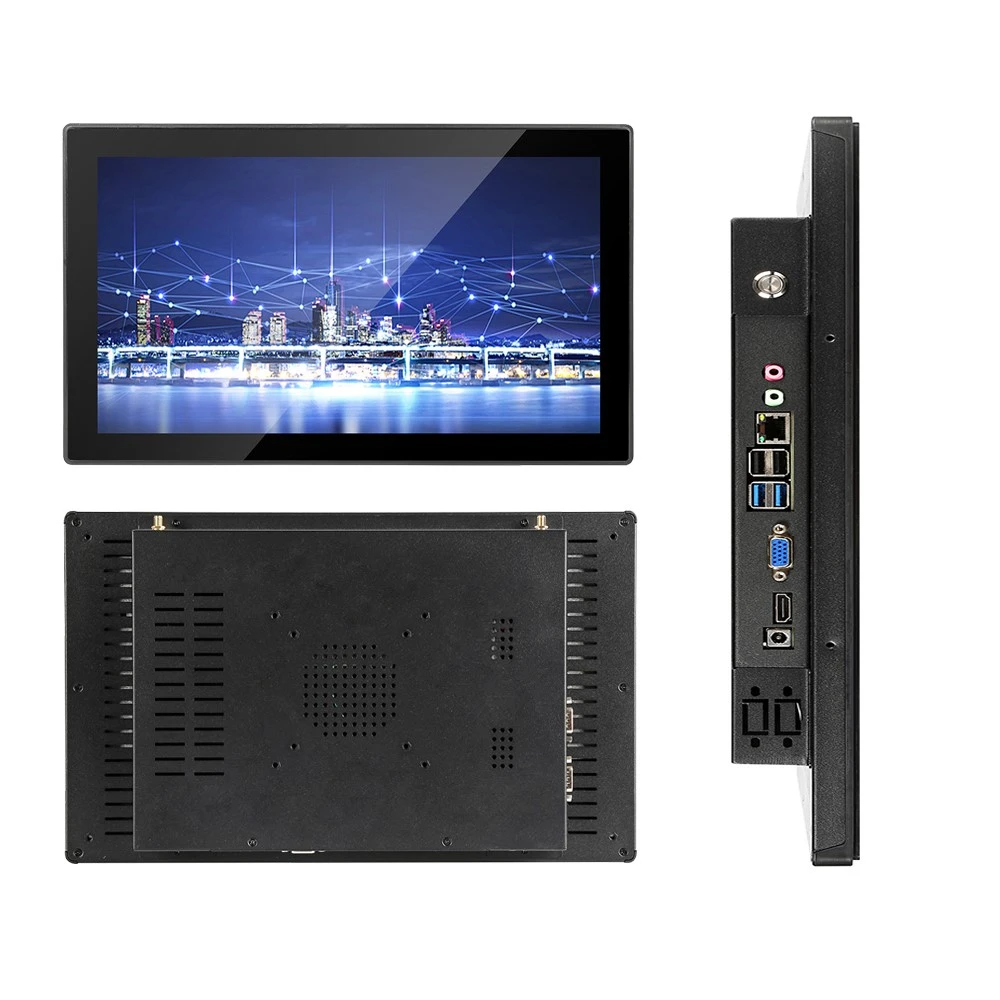
Real-World Application Selection Examples
For example, on a small production line, if you only need to monitor the status of a few devices and perform simple parameter adjustments, an HMI can fully meet these needs. Its intuitive interface and relatively affordable price make it a highly cost-effective option.
In a complex intelligent manufacturing system, however, real-time monitoring, data collection, and remote control of a large number of devices may be required. In this case, an industrial PC is more suitable. Its high performance and versatility support complex tasks while also being able to withstand harsh industrial environments.
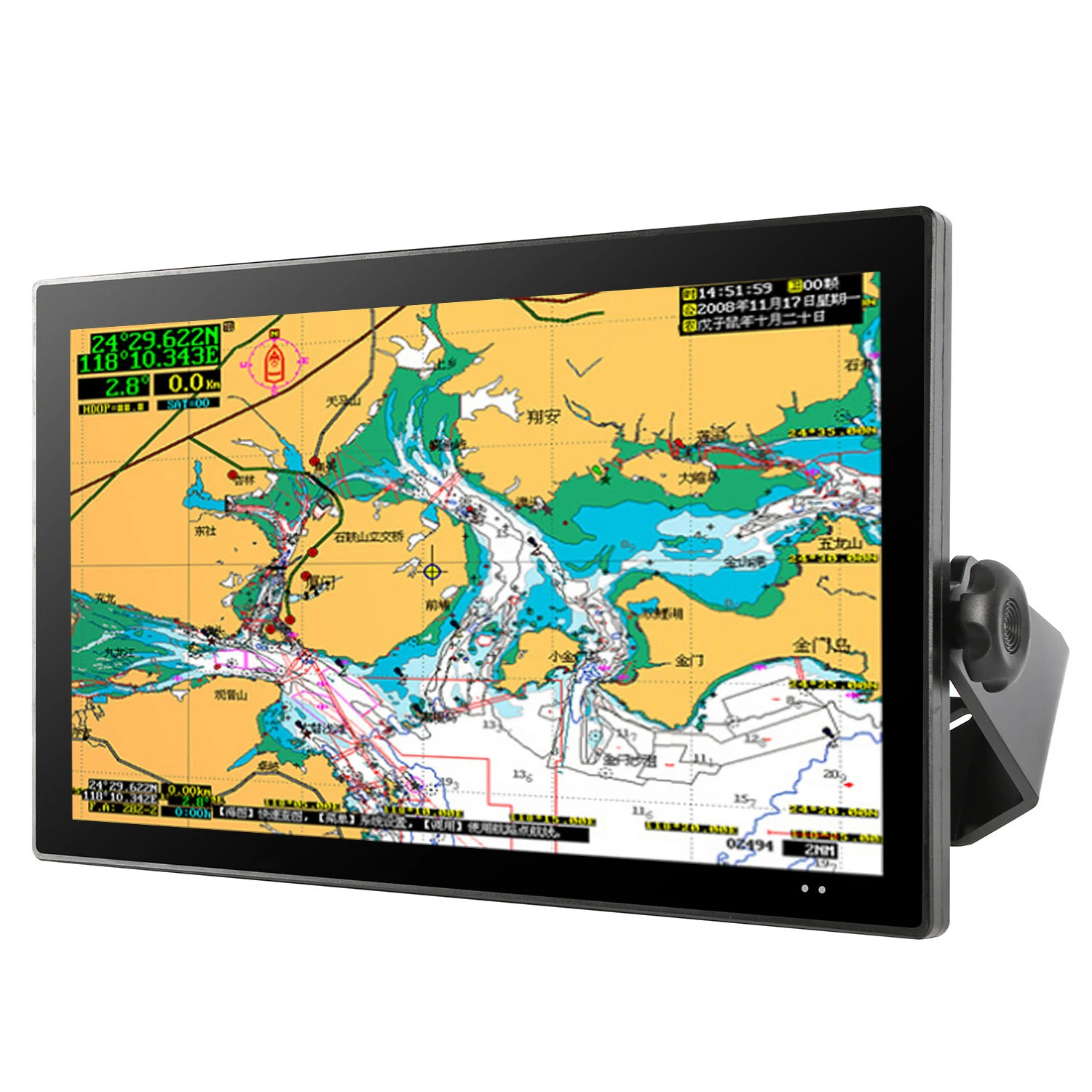
Summary
HMIs and industrial PCs each have their advantages, and the choice should be based on actual needs. HMIs are suitable for simple monitoring and operation tasks, while industrial PCs are more suitable for complex control and processing tasks. If your budget is limited and your requirements are simple, an HMI is a good choice; if you require high performance and versatility, an industrial PC is more suitable.
In practical applications, clarifying your needs, assessing the environment, and considering budget and scalability are key to device selection. Only by choosing the right equipment can we better improve production efficiency and provide reliable support for industrial automation.