


Here's a professional guide for selecting LCD brightness in industrial applications, with optimized brightness ranges by scenario and size considerations:
1. Brightness Selection by Application Environment
| Application Scenario | Recommended Brightness | Key Factors |
|---|---|---|
| Indoor Control Rooms | 250-500 nits | Low ambient light; prolonged viewing comfort |
| Factory Floor (General) | 500-800 nits | Moderate overhead lighting; dust interference |
| Outdoor Kiosks (Partial Shade) | 800-1,500 nits | Daylight visibility; anti-glare treatment |
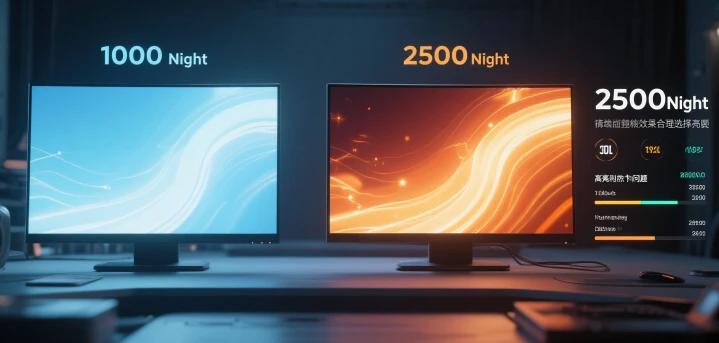
| Direct Sunlight (Transportation) | 1,500-2,500+ nits | Sunlight reflection (>10,000 lux) |
| Medical Imaging | 1,000-1,500 nits | Grayscale accuracy (DICOM Part 14 compliance) |
| Aviation/Marine | 1,000-2,000 nits | Glare from water/snow; wide viewing angles |
Note: Add 20-30% brightness margin for aging (LED backlights degrade ~3%/year).
2. Size vs. Brightness Engineering Tradeoffs
| Screen Size | Brightness Impact | Design Recommendations |
|---|---|---|
| <10" | Lower power consumption | Prioritize 800-1,500 nits without heatsinks |
| 10-24" | Balanced heat/power | Active cooling fans at >1,500 nits |
| >24" | Hotspots risk at edges | Use local dimming zones + metal chassis cooling |
Example:
A 15" warehouse scanner → 800 nits (portable, battery-friendly)
A 32" outdoor train schedule → 2,500 nits (uniformity-critical)
3. Critical Supporting Technologies
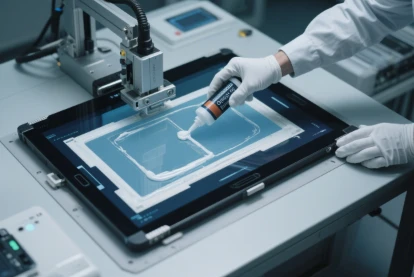
01
Optical Bonding: Reduces air gaps, improving effective brightness by 15-20% and eliminating fogging.
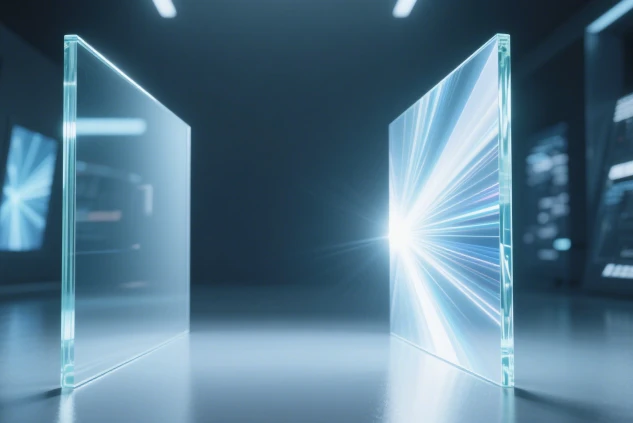
02
Anti-Glare Coatings: 3H-5H etched glass for >25° incident light diffusion (essential for 800+ nits).
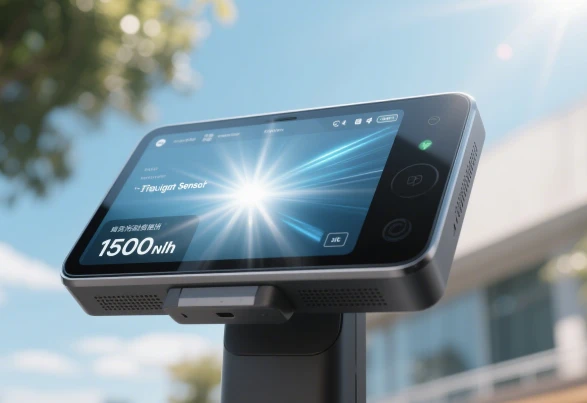
03
Ambient Light Sensors: Auto-adjust brightness (e.g., 500 nits at night → 1,500 nits at noon).
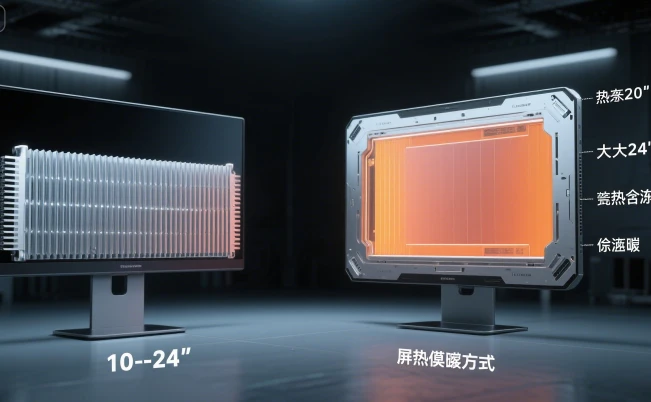
04
Thermal Management: Aluminum heat-spreaders for 10-24"; vapor chambers for >24" displays.
4. Compliance & Testing Standards
Outdoor Readability:
Test at 10,000 lux illuminance (simulated sunlight at 45° angle).
Military:
MIL-STD-810G luminance retention after thermal shock (-40°C to 85°C).
Medical:
IEC 60601-1 glare reduction for surgical displays.
5. Cost vs. Performance Optimization
| Brightness Tier | Cost Premium | Use Case Rationale |
|---|---|---|
| <500 nits | Base cost | Indoor control panels, dark environments |
| 500-1,500 nits | +15-30% | Most industrial applications (optimal ROI) |
| >1,500 nits | +40-70% |
Critical sunlight-readable or safety-critical |
Pro Tip: For large outdoor displays (>32"), use modular LED backlights - replace dimmed zones without panel replacement.
Implementation Checklist
01
Measure max ambient lux at installation site using a light meter
02
Select brightness = 1.5 × ambient lux (e.g., 6,000 lux → 9,000 nits)
03
For touchscreens, add 10% brightness to compensate for cover glass losses
04
Validate 5-year brightness degradation curve with supplier datasheets
First-class professional team for you to recommend products more in line with your needs. Perfect after-sale services exempt your worries.
Our address
No.5F, Building 24, Longbi Industry City, Bantian Street, Longgang District, Shenzhen City, Guangdong Province, China
Phone Number
+86-755-28447130
+8613632535154
sales@bestview.cc
