


Why Industrial All-in-One PCs Typically Use 60Hz?
1. Cost Efficiency:
- Panel Cost: High-refresh-rate panels (e.g., 120Hz/144Hz) are significantly more expensive than 60Hz panels.
- Hardware Requirements: High refresh rates demand more powerful CPUs/GPUs, unnecessary for industrial workflows.
2. Application Alignment:
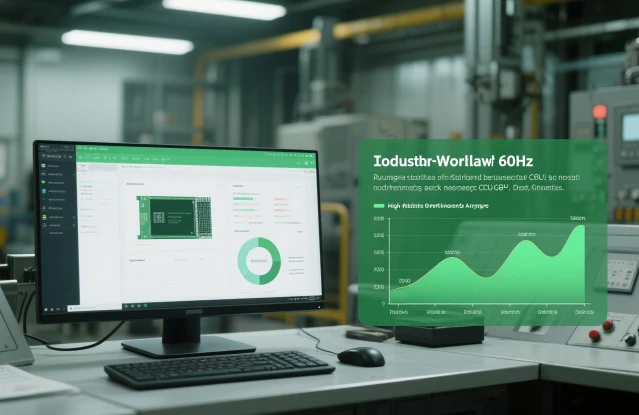
- Static Interfaces: Industrial control systems (e.g., PLC monitoring, data dashboards) primarily display static elements.
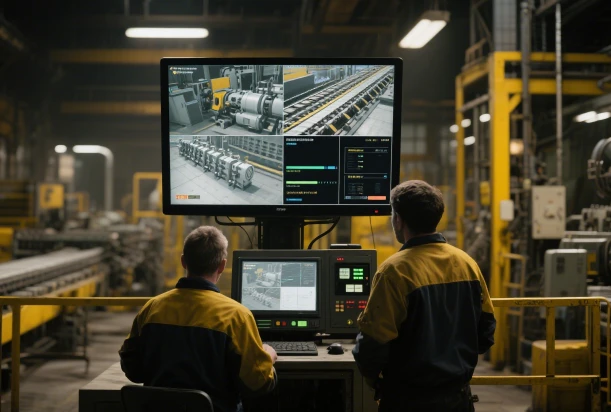
- Low Motion Needs: Production line monitoring or equipment status updates involve far fewer dynamic changes than gaming.
3. Stability & Compatibility:
- System Compatibility: Legacy industrial software/OS may lack high-refresh-rate support.
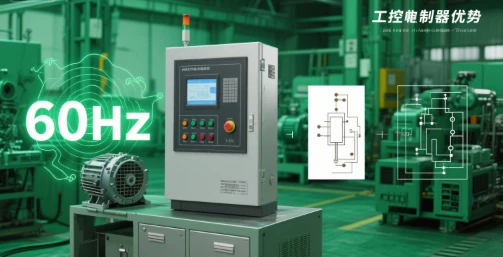
- EMI Resistance: Industrial environments face electromagnetic interference; 60Hz panels' simpler circuitry enhances reliability.
4. Longevity & Maintenance:
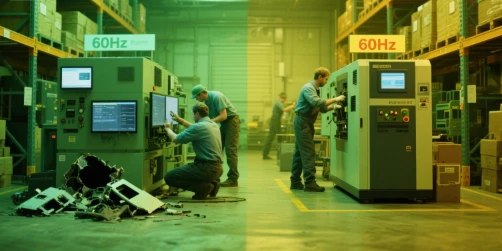
- Power & Thermal: High refresh rates increase power consumption and heat, while 60Hz better suits 24/7 operation.
- Panel Lifespan: Industrial devices require 5~10+ years of service; mature 60Hz technology ensures lower failure rates.
5. Supply Chain Factors:
- Industrial panels prioritize rugged specs (e.g., wide-temperature, high-brightness). High-refresh industrial panels are scarce and costly.
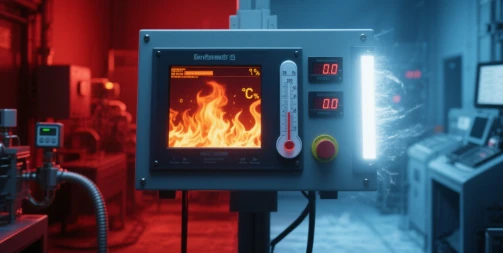
Exceptions in Specialized Industrial Scenarios
Rare cases requiring high refresh rates:
01
- High-Speed Inspection: e.g., semiconductor wafer defect detection or print quality control, paired with high-FPS cameras.
02
- Simulation Training: Flight/driving simulators prioritizing immersion.
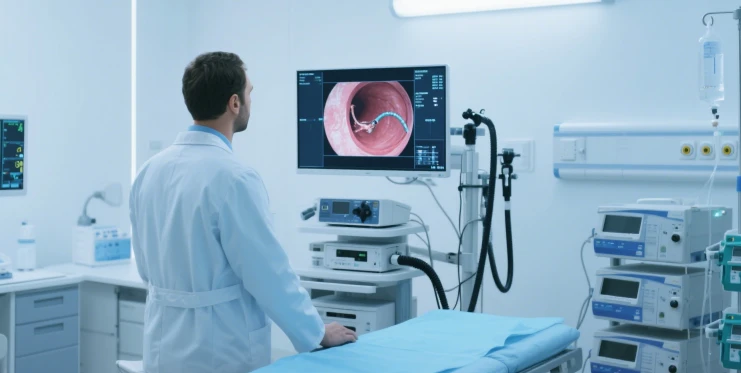
03
- Medical Imaging: Certain endoscopy/ultrasound systems needing fluid visual feedback.
Conclusion: Industrial PCs adopt 60Hz as the optimal balance of cost, stability, and functional requirements-much like a factory wouldn't equip a screwdriver with a laser sight. The right tool for the job drives efficiency.