


Optical bonding vs air bonding: the air gap issue
In non-optically bonded panel PCs (we're going to call these "traditional" displays going forward), the display layer stack-up is connected at the edge of the screen only, followed by the actual LCD Panel, creating an air gap below the screen. This air gap, while seemingly innocuous, introduces a few potential challenges:
Reduced readability:
The air gap can act like a mini-prism, refracting light and causing internal reflections. This can lead to glare and ghosting on the screen, especially under the bright lights commonly found in factories, or in outdoor environments where the sun's rays can be refracted many times within that air gap space. This can make it difficult for workers to see critical information on the display.
Diminished touch accuracy:
The air gap introduces a physical separation between the touch layer and the LCD panel. This creates parallax error, where the user touches a point on the screen but, due to the air gap, the system registers the touch slightly off-target. This can be frustrating for users and lead to inaccurate data entry or control actions.
Susceptibility to damage:
The air gap acts as a weak point in the display structure. Impacts or vibrations can cause the touch layer to flex independently of the LCD panel, putting stress on the connection points and increasing the risk of cracks or damage to the display components or the outer glass
What is optical bonding? Filling the void for improved performance
Optical bonding eliminates the air gap by filling it with a clear, optically matched adhesive. This creates a single, unified structure offering several improvements:
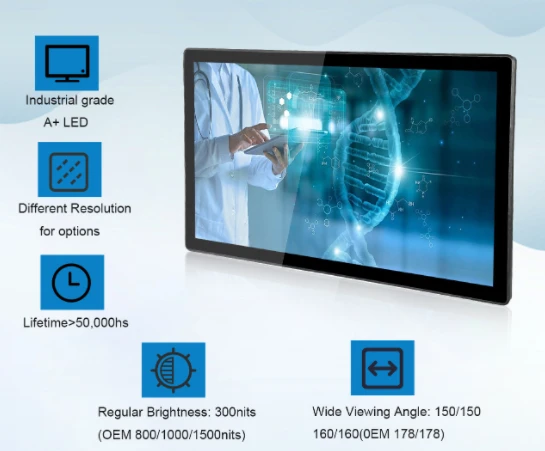
No internal reflection:
By removing the air gap, light travels directly from the LCD to the touch layer (and to the user's eyes), minimizing internal reflections and glare. This translates to sharper visuals, improved contrast, and better readability in any lighting conditions.
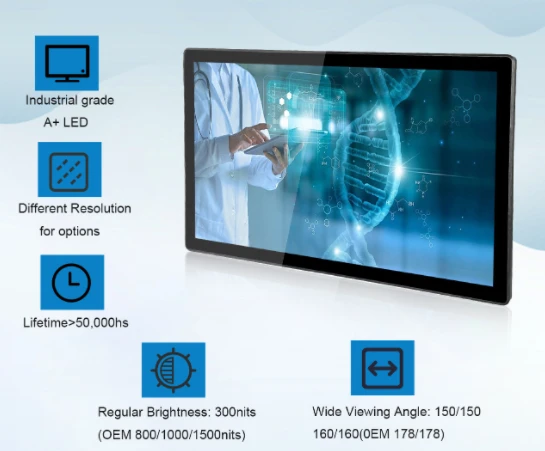
Reduced parallax error:
With the touch layer directly bonded to the LCD, the physical distance between touch and display disappears. This minimizes parallax error, resulting in a more responsive and accurate touch experience.
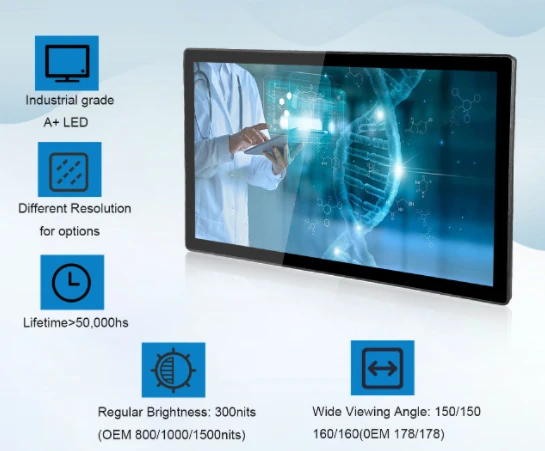
Reinforced structure:
The adhesive used in optical bonding acts like a strong, transparent glue, essentially laminating the touch layer directly to the LCD panel. This creates a more rigid and unified structure compared to a traditional display with an air gap. This rigidity helps the display better withstand impact forces, vibration, and pressure without cracking or damage.
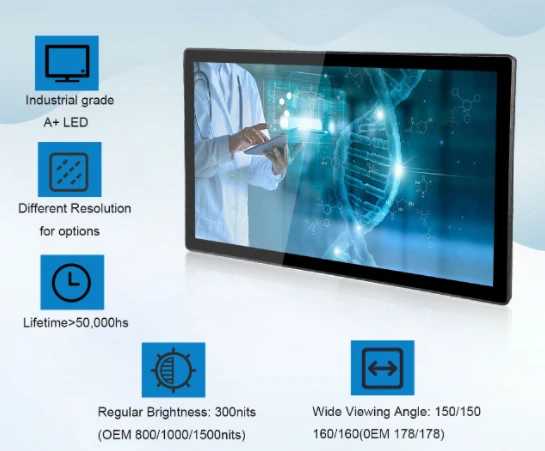
Improved thermal management:
The adhesive used in optical bonding can also help improve heat dissipation within the display. By creating a better thermal connection between the touch layer and LCD, the heat generated by the display can be more effectively conducted away, reducing the risk of overheating and potential damage.
Enhanced environmental protection:
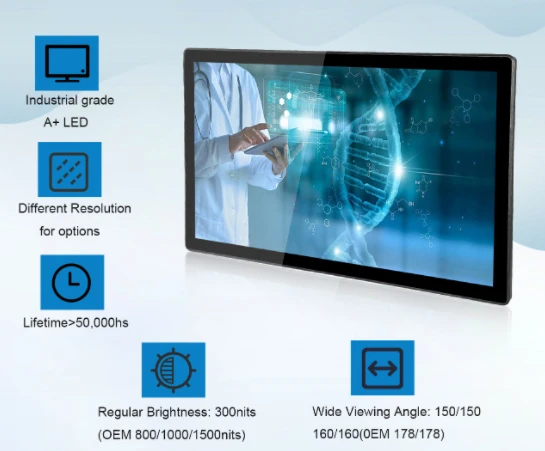
Optical bonding creates a sealed unit, minimizing the ingress of dust, moisture, and other contaminants that could damage the display's internal components. This is particularly beneficial in harsh manufacturing environments where dust, dirt, and liquids are common. One common way this vulnerability manifests is when moisture finds its way in, causing liquid buildup or fogging of the display. This moisture in close proximity to internal electronics can also accelerate display failures in humid environments.
Shanghai Jwell machinery Workshop co-operation projects
Lorem ipsum dolor sit amet,consectetur adipisicing elit. Delectus,natus numquam unde qui pariatur porro necessitatibus harum libero commodi rem veritatis in nisi vero odit tenetur esse quidem inventore ex. Sunt nam mollitia,accusantium voluptates
First-class professional team for you to recommend products more in line with your needs. Perfect after-sale services exempt your worries.
Our address
No.5F, Building 24, Longbi Industry City, Bantian Street, Longgang District, Shenzhen City, Guangdong Province, China
Phone Number
+86-755-28447130
+8613632535154
sales@bestview.cc
